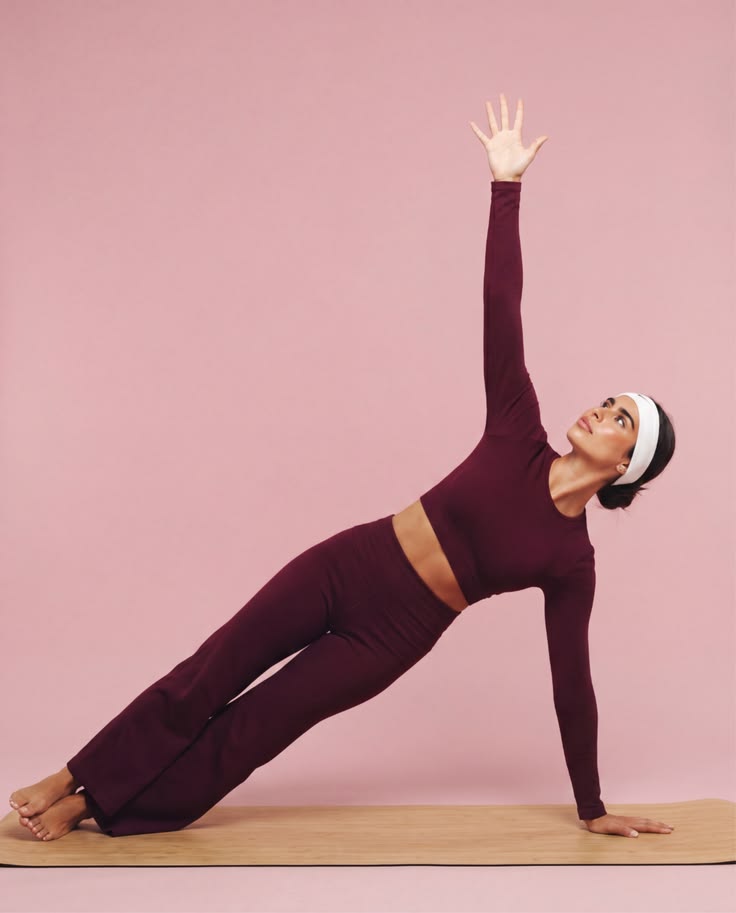
Pilates Core Program
Low Impact
Pilates Flow
A gentle Pilates-inspired flow designed to improve core strength, mobility, and body control through smooth, low-impact movements that are easy on the joints.
Explore Program →Best for: beginners, recovery days, low-impact training, gentle core work, and anyone who wants a calm Pilates routine without jumping or fast transitions.
Workout Overview
Low Impact Pilates Flow focuses on gentle movement, steady breathing, and controlled transitions. This workout is designed for people who want to strengthen their body, improve mobility, and move with better control without high-impact exercises.
Why Low Impact
Pilates Flow?
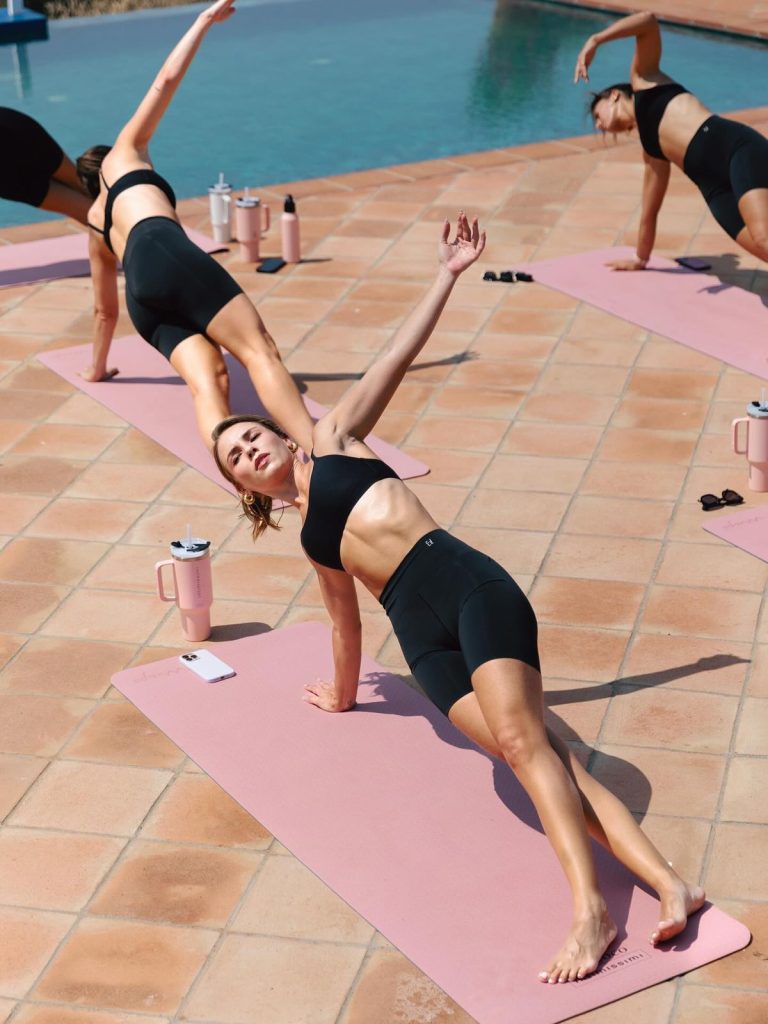
Low-impact Pilates helps you build strength without putting too much pressure on your joints. It supports better posture, smoother movement, and a stronger connection between breathing, balance, and core control.
Move through gentle exercises that support your body without jumping, bouncing, or high-pressure impact.
Strengthen your core while improving flexibility, range of motion, and overall body awareness.
Flow from one movement to the next with control, making the workout feel calm and easy to follow.
Focus on breathing, alignment, and precision instead of speed or high intensity.
Exercise List
Follow this low-impact Pilates flow in order. Move gently, breathe steadily, and focus on control instead of speed.
Exercise Video
Alignment Checklist
Use these cues to keep your low-impact Pilates flow safe, smooth, and effective.
Move gently.
Low-impact Pilates works best when your movements are smooth, controlled, and comfortable.
Keep your breathing steady.
Do not hold your breath. Use each inhale and exhale to guide your movement.
Protect your joints.
Avoid forcing your range of motion. Keep each exercise soft, supported, and pain-free.
Stay connected to your core.
Use gentle core engagement to support your posture and control each transition.
Choose control over speed.
A slower flow with good alignment is more effective than rushing through the movements.