Pilates Core Program
Pilates Abs
Beginner
A gentle Pilates-inspired abs routine designed to help beginners build core strength, improve posture, and move with better control through slow, focused exercises.
Explore Program →Best for: beginners, gentle core training, posture improvement, low-impact movement, and anyone who wants to start Pilates-style abs safely.
Workout Overview
Pilates Abs Beginner focuses on slow movement, steady breathing, and controlled core engagement. This workout is designed for beginners who want to strengthen their abs without rushing, jumping, or putting too much pressure on the lower back.
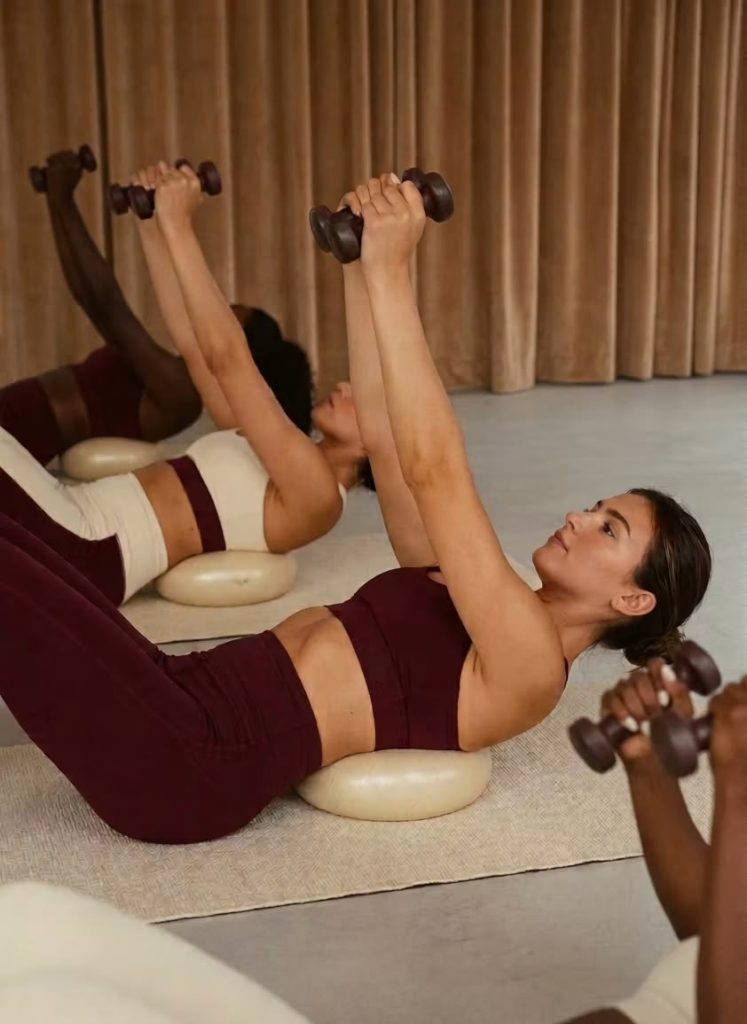
Why Pilates Abs Beginner?
Pilates is not only about building abs. It helps you connect your breathing, posture, and core control so your body can move with better stability and awareness.
Build abdominal strength through slow, controlled Pilates-inspired movements.
Train your core to support your spine and improve the way you sit, stand, and move.
Simple exercises with low-impact movement make this routine easy to follow for new learners.
Focus on breathing, alignment, and precision instead of speed or high intensity.
Exercise List
Follow this beginner-friendly Pilates mat flow in order. Move slowly, breathe steadily, and focus on control before intensity.
Exercise Video
Alignment Checklist
Use these cues to keep your Pilates abs routine safe, controlled, and effective.
Move with control.
Pilates works best when every movement is slow, clean, and intentional.
Keep your core gently engaged.
Do not squeeze too hard. Focus on steady activation while continuing to breathe.
Protect your lower back.
If your lower back lifts from the floor, reduce the range of motion or bend your knees.
Relax your neck and shoulders.
Keep your upper body soft so your core can do the work without extra tension.
Focus on alignment.
Good form matters more than speed. Stay aware of your posture, breathing, and body position throughout the routine.